

 sales2@super-metals.com
FeCrAl Heating Element Wire Seller China: What Specifications Matter Most?
FeCrAl resistance wire is widely used in industrial electric-heating equipment because it combines relatively high electrical resistivity with good oxidation resistance at elevated temperatures. Different FeCrAl grades do not have identical electrical or temperature characteristics, and a long list of specifications can be checked on any quotation.
The more useful question for buyers evaluating a FeCrAl heating element wire seller China is not which specifications exist, since our other guidance already covers alloy grade, diameter tolerance and batch documentation in detail, but which of them are actually worth paying extra for. This article ranks the specifications that typically show up on a quotation by how much they actually change your risk and outcome, not by how prominently a supplier lists them.
Worth Paying a Premium For: Documented Resistance Tolerance on Repeat Orders
If you are manufacturing the same heating element repeatedly, a tighter and properly documented resistance tolerance is one of the few specifications where the extra cost reliably pays for itself. Inconsistent resistance between batches shows up directly as inconsistent power output across finished elements, which is a harder and more expensive problem to diagnose after installation than it is to prevent at the wire-purchasing stage.
This is worth paying for specifically when elements from different batches need to perform identically, such as multi-element furnace zones or standardised replacement parts. It matters far less for a one-off custom element that will be measured and matched individually anyway.
Worth Paying a Premium For: Verified Alloy Identity for Critical or High-Temperature Service
For elements operating close to their alloy’s rated temperature limit, or in equipment where a failure is expensive to replace or causes significant downtime, verified alloy identity, meaning a traceable certificate rather than a supplier’s description, is worth the extra cost and the extra step of requesting it. A substituted or mislabelled alloy is far more consequential in this situation than in a lightly loaded, low-temperature application with an easy replacement path.
This is less critical for equipment running comfortably below its material’s rated capability, where even a modest discrepancy in alloy identity is unlikely to cause a failure.
Rarely Worth a Premium: Minor Surface-Finish Variations
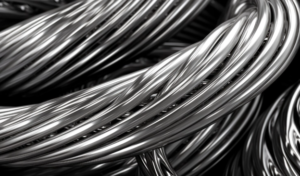
Resistance wire can be supplied in different surface finishes and delivery conditions, and suppliers sometimes price a particular finish at a premium. For most furnace applications, reasonable consistency and freedom from significant transport damage or contamination matters considerably more than which specific finish designation is on the datasheet. Paying extra for a finish that was not actually required by the application rarely changes the outcome.
Rarely Worth a Premium: Packaging Upgrades Beyond What the Process Needs
Suitable packaging does reduce tangling, damage and contamination risk, and it is worth specifying the basics: adequate protection for the transit involved and labelling that identifies alloy, diameter and batch. Beyond that baseline, premium packaging options are usually a convenience rather than a risk reduction, and buyers can generally decline them without affecting the quality of the material received.
Situational: Minimum Order Quantity Flexibility
Some suppliers charge more for smaller minimum order quantities, and whether this is worth paying for depends entirely on your consumption pattern. A buyer standardising on one wire size for ongoing production has little reason to pay for MOQ flexibility they will never use. A buyer who needs several different diameters in smaller quantities, perhaps for prototyping or varied replacement work, may find that flexibility is the single most valuable thing the supplier offers, worth more than a marginally better unit price elsewhere.
Situational: Fast Sample Turnaround
Quick sample turnaround carries a real cost premium at many suppliers. It is worth paying for when a project timeline genuinely depends on it, such as validating a new element design ahead of a scheduled furnace shutdown. It is not worth paying for as a standing feature of a long-term supply relationship where sample requests are infrequent and lead time is rarely the binding constraint.
Putting This Into a Purchasing Decision
The practical approach is to identify, before requesting quotations, which one or two specifications actually carry risk for your specific application and production pattern, and to be willing to pay for those while declining upgrades elsewhere. A supplier’s own premium-tier offering is priced around what they can sell, not around what your particular furnace or production line actually needs.
Conclusion
Not every specification on a FeCrAl wire quotation carries the same weight, and treating them as equally important leads buyers to either overpay for upgrades that don’t reduce their actual risk, or under-invest in the one or two specifications that genuinely would. Resistance tolerance for repeat production and verified alloy identity for critical service are usually worth the premium; surface-finish upgrades and packaging beyond the functional baseline usually are not.
Knowing which category a given specification falls into, for your specific application, is a more useful purchasing skill than simply requesting the highest tier of everything.